


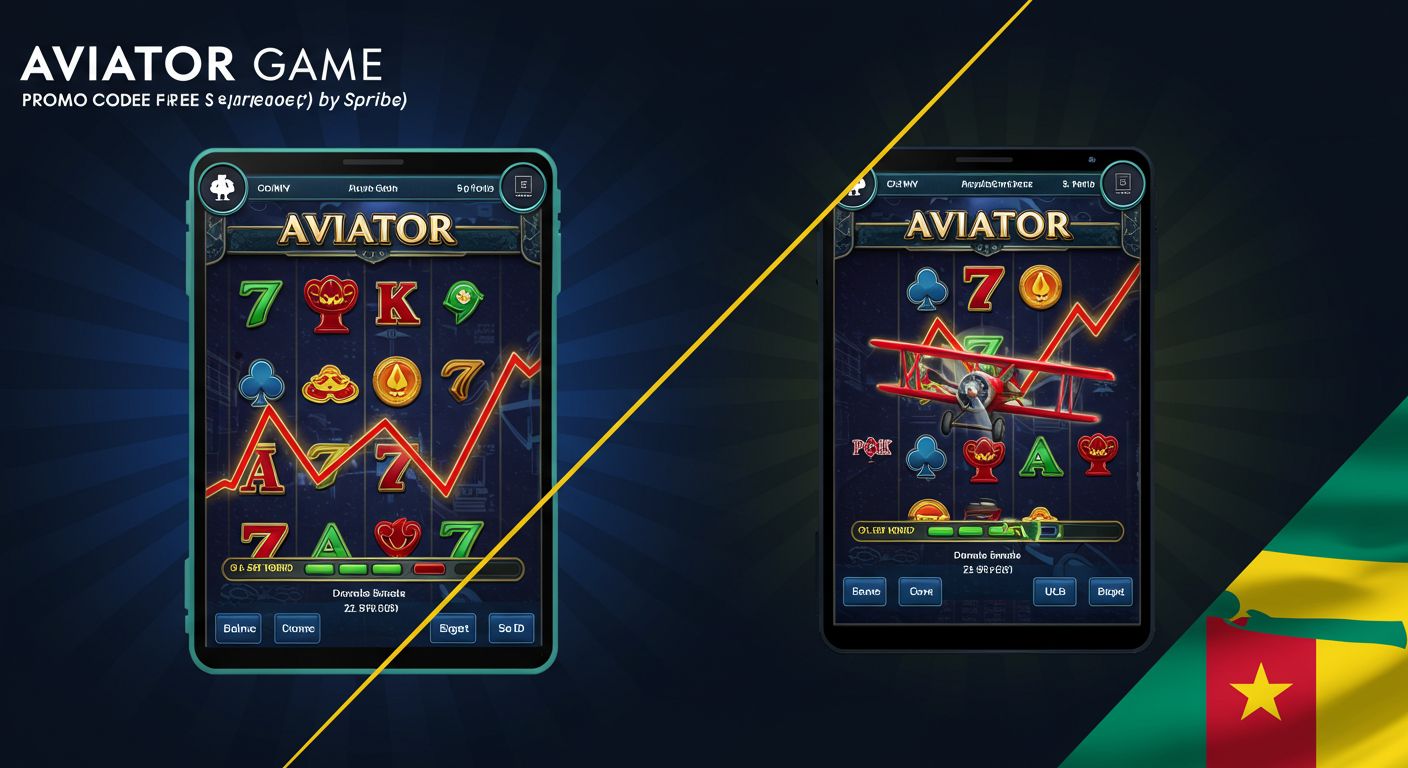
If you want play Aviator Software Providers well, it is essential to understand its symbols. The game avoids the classic symbols of a classic slot machine. Its visual language is clean and focused on data, designed for real-time decisions. You will encounter a streamlined set of symbols and numbers that show you all about the current round, the growing multiplier, and when to act. The guide explains all visual aspects, from the central airplane to the betting panel and history logs. When you understand the role of each element, you are able to play with greater confidence and a clearer plan. The design is all about clarity, so even as the action accelerates, the information necessary is right there in front of you.
Interface Icons for Configuration and Information
Around the edges of the main screen, you will see typical symbols for supplementary options. There’s usually a settings or menu symbol for game options. Here you can adjust audio, display, or review your cash-out preference. An “i” or information icon usually provides access to the official rules and a breakdown of how it works. A history or chart symbol may open a more detailed statistical view than the central history display. Some game variants have a button to change between multiple themes for the plane or background. These icons do not alter the fundamental gameplay, but they matter. They allow you customize your experience, view the complete rules, and locate responsible gambling tools. Understanding these symbols means you can configure the game to your preference and find assistance without ever leaving the display.
- Settings Icon (Settings):
- Info (“i”) Symbol:
- Data Icon:
- Visual Theme Chooser:
- Help/Support Icon:
The Multiplier Display and Betting Grid
Beside the aircraft, you’ll see the current multiplier in large, bold figures. This is the key number on the screen. It displays the specific value your active bet will be boosted by if you cash out now. The betting panel surrounding it holds additional important symbols and numbers. You will see your total balance, a field to set your bet amount, and the crucial “Bet” and “Cash Out” buttons. Many versions also include an “Auto Cash Out” feature where you can set a target multiplier in advance. Often, a “Potential Win” amount changes dynamically next to the multiplier. This entire set of displays and buttons is your command center. Recognizing what each one does is vital before you place a wager. Becoming familiar with this panel is how you transition from watching and start making calculated decisions.
- Current Balance:
- Bet Amount Selector:
- Potential Win Display:
- Cash Out Button:
- Auto Cash Out Setting:
The Central Aircraft: The Primary Multiplier Symbol
That plane is the highlight of the game. It represents an animated symbol, not just a picture. When a round starts, the plane begins to climb from the lower left corner of your screen. Its climb is tied directly to the multiplier, a number shown next to the jet. As the plane climbs, the multiplier value grows, starting from 1.00x. Here’s the key point: the jet can vanish at any random moment. When it disappears, the session ends and the multiplier number drops to zero. So this aircraft symbol is a live display of both your potential and your exposure. Your job is to hit “cash out” and lock in your earnings before the plane disappears. The ascent path is the core of the game, turning a simple animation into a source of genuine suspense. The steady ascent and the random ending point create that distinctive tension. The plane isn’t just an icon; it is a live tracker of your prospective payout and the threat of losing it all.
The Previous Rounds Display and Previous Rounds
You’ll usually find a history panel or previous rounds display next to the central game display. It uses straightforward indicators: a sequence of figures showing the multipliers from past rounds where the aircraft departed. These numbers often are displayed in a grid or list. Some game versions use color coding, using red tones for early crashes and green tones or blue for larger values. Remember, this board is strictly for reference. It does not forecast what will take place next. It enables you to observe the game’s variance and recent action. The key point to realize is that this history is a log of prior random outcomes, not a mystery to solve. It can provide a sense for the current rhythm of the game, which could aid you choose whether to take a cautious approach or assume a greater risk in the next round.
Round Status Markers and Notifications
Small symbols and text messages update you about the game’s status. Before a round starts, you’ll typically see a “Place Your Bets” message or a countdown timer. When betting closes, a “Round Started” indicator shows up and the plane commences to climb. The most important alert is the “Aircraft Crashed” or “Fly Away” message that pops up when the round ends on its own. If you cash out manually, you’ll often get a confirmation like “Cash Out at [X] multiplier!” along with a sound or visual effect. The game may use color changes too; the “Cash Out” button could light up or change color when a profit is available. These indicators are the game’s way of communicating with you, steering you through each step. Spotting these signals stops you from getting confused. You’ll continuously know when you can act and when the round is truly over.
Comprehending Numerical Values and Ranges
The figures in Aviator are representations themselves. They represent real money outcomes. The multiplier can start at 1.00x and go very high, though in practice it usually falls within certain limits. You need to grasp the relationship between your bet size, the multiplier, and your final win. For instance, a $10 bet at a 2.50x multiplier gives you a $25 return (a $15 profit). It’s also key to know what counts as a “win.” Cashing out at 1.50x always gives a profit, but the size depends on your original stake. The auto cash-out feature turns a number you pick into an automatic command for the game. Interpreting these numbers correctly is the basis of any strategy. They translate the abstract flight of a plane into concrete changes to your balance. A solid grasp of basic math is one of the most useful tools you can have.
- Low-Range Multipliers (1.10x – 2.00x):
- Mid-Range Multipliers (2.01x – 5.00x):
- High-Range Multipliers (5.01x and above):
In-depth Breakdown of the Gambling Panel
Let’s take a look in more detail at the gambling panel, your command hub. Every component fulfills a purpose. Your balance is not merely a number; it’s your pool of resources for the session, dictating what you can bet. Picking your stake matters because it affects your potential profit and loss immediately. The potential win readout is a effective driver, rendering your potential success visible and shaping your timing. The cash-out button, typically large and focused, is your route to securing your winnings. How large it is indicates how important it can be. The auto cash-out box turns a basic figure into an automatic action, eliminating human reaction time from the calculation. When you grasp how these pieces work together, you can configure the layout to match your preference, whether you favor quick hand-operated plays or a greater hands-off, methodical approach.
Common Visual Cues and Motion Effects
Aviator games employ more than static symbols. Animations and visual cues give you feedback and heighten the excitement. The plane’s smooth climb is the main event. When you properly cash out, you’ll often see your winnings appear to your balance, sometimes with a little glitter or celebratory sound. If the plane flies away before you cash out, the screen might shake briefly or the multiplier display could flicker. The potential win number usually counts up quickly during the flight, contributing to the kinetic feel. These effects are intended to build anticipation and give you immediate, clear feedback on your actions. Identifying these cues helps you stay focused during fast rounds. You react to the game’s events instead of being distracted by them. They act as emotional punctuation marks, making moments of success and loss obvious.
Symbols and Controlled Gameplay
You’ll also discover symbols for controlled gaming, like a green checkmark, a clock, or common icons for setting account limits and self-exclusion. These are commonly in the settings menu or as constant links on the gaming platform itself. They are separate from the core action, but they may be the most important symbols to identify. They stand for the controls you have to regulate your time and spending. Knowing these options exist and how to find them helps maintain the game entertaining and within your personal limits. In the end, understanding Aviator’s symbols isn’t just about reading multipliers and buttons. It’s about comprehending the whole interface, including the features that help you play safely. A well-informed player understands how to play the game and how to use the tools available to maintain it under control.